

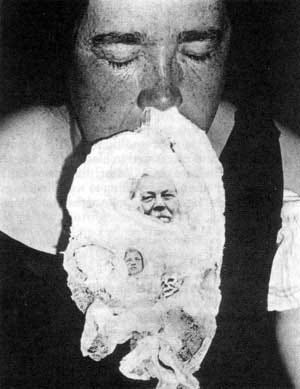
“When I considered the wonderful psychical phenomena of the one circle seen with my own eyes and the religious atmosphere of the other, I came away with the conclusion that Winnipeg stands very high among the places we have visited for its psychic possibilities.”
- Sir Arthur Conan Doyle, Our Second American Adventure, 1924, pictured above in Winnipeg medium’s snot.
Samuel was a curious fellow.
Born in 1855, near Kingston, Ontario, he’d taken a keen interest not only in science but of the spiritual. To be more specific, spiritualism and spiritualists. You know the ones: the Ouija-boarders, the knockers, rappers, tappers and automatic writers that sprung into existence in the 1800s.
Samuel embraced these beliefs and in the early 1900s. He and his wife traveled south to the spiritualist hotbed of Lily Dale, New York, where, to this day, “...about 40 mediums…connect thousands of spiritual seekers with their deceased loved ones.” (Erin Donaghue, 2025). When Samuel returned, he and his wife continued the practice, hosting seances in their farmhouse, cottage, and sometimes within the city limits of Toronto and Kingston, Ontario.
Samuel was a member of the British Society for Psychical Research, and had corresponded with fellow member, Sir Arthur Conan Doyle; yeah, the Sherlock Holmes dude who opened this piece. Doyle had bounced around Canada and the US a handful of times during various book tours, and apparently found the hotbeds of some horny ghosts in Canada along the way.
Samuel passed away in 1933, and his occult research materials, spiritualist ephemera, correspondence and ghostly bric-à-brac were locked in a trunk and stored away. Silently it sat in the basement of his Ontario home, ready for intergenerational handoff, natural disaster or garage sale discard.
Even after Samuel’s passing, spiritualist practices were continued in the family. First by his son, Peter, who hosted seances at the family cottage, and then down the genetic line the customs went, finally settling deep into the 20th century at Samuel’s great-grandsons: Dan and Peter J.
Dan and Peter J. Aykroyd.
Dr. Samuel Aykroyd, Canadian dentist and spiritualist, had no idea the scope of the impact his interests in the unknown would have on us all. The link between Samuel, his seances, his correspondence with Sir Arthur Conan Doyle, reached much, much deeper into the 20th century.
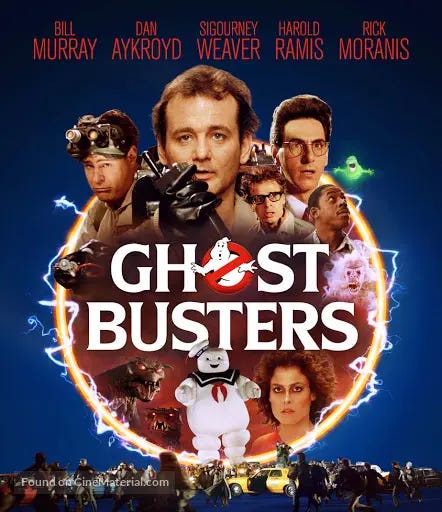
Dan Aykroyd makes no bones about the fact that Ghostbusters (1984), written alongside Harold Ramis, was a take on very real ghosts, based on a very real family history. In an interview in 2013 with George Stroumboulopoulos, Aykroyd explained:
“My great grandfather Sam Aykroyd, he was a dentist in Kingston [Ontario]...was also a psychic researcher. That’s where Ghostbusters comes from. The old farmhouse was where we had seances, and entities would come through, according to my Dad, my uncle, and my grandmother and grandfather – I never saw any… but all of that stuff was around sort of subliminally… we had our own transmedium, he used to go into a trance and his head would go back and he’d start speaking Mandarin… he didn’t speak Mandarin, he had a grade 12 education!”
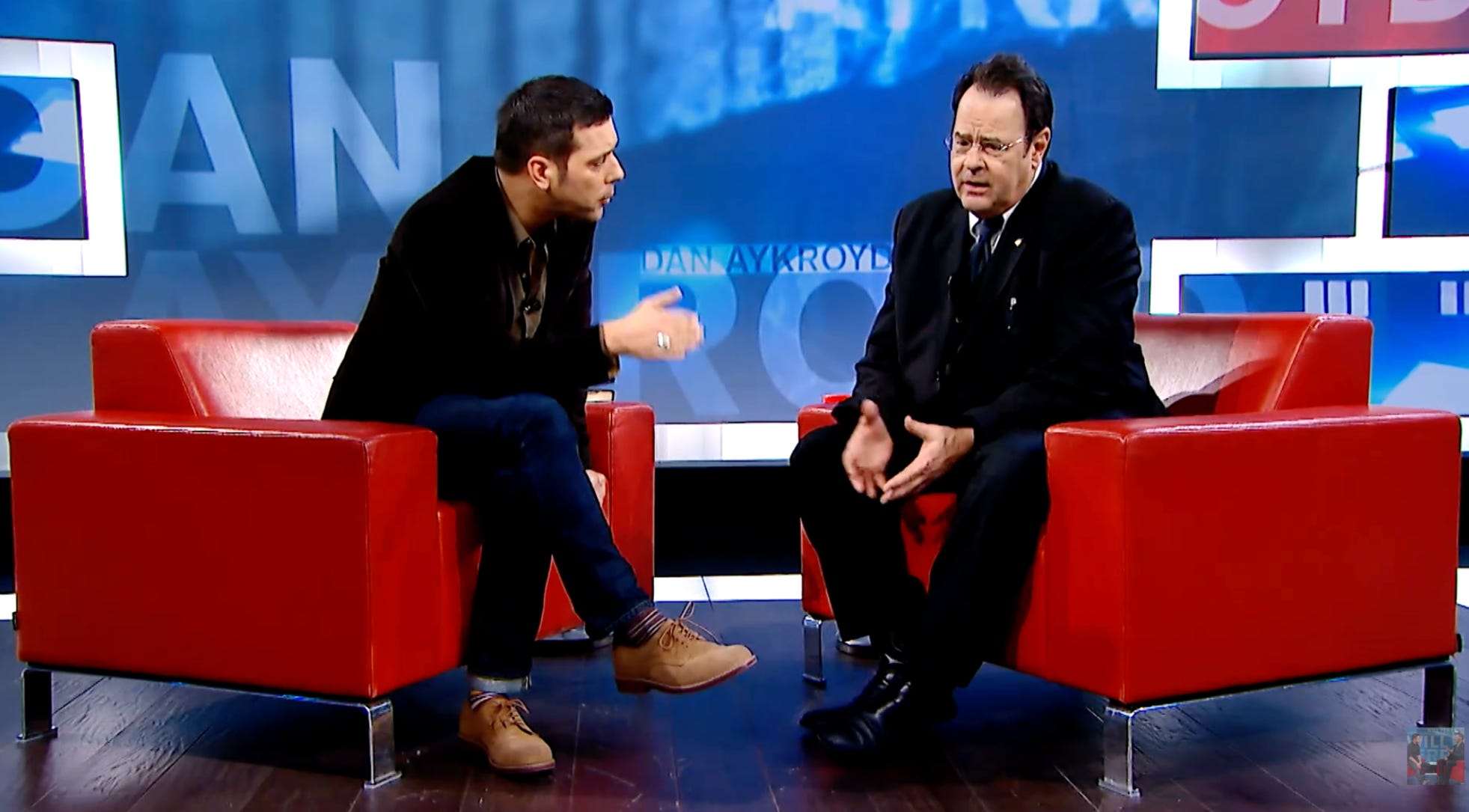
The crowd laughs, and Dan shrugs. Weaving through his desire to entertain, his family history, his own experiences and beliefs, makes it difficult, at times, to pin down where the fact and fiction are demarcated in Aykroyd’s stories.
However, you never feel like he’s shilling or trying to pull one over on you; he seems earnest. Maybe a feature of his acknowledged neurodivergence, something in the 1990s often framed as Dan just being a weirdo or someone who “... talk[ed] more in lists of statements than in sentences…” (Grant McIntyre, The Globe and Mail, 1996).
Dan just seems like another seeker. A seeker that had a supporting network of family and friends, and impeccable timing, with the cultural backdrop of the blossoming horror genre and various social panics of the 1980s and 1990s. Aykroyd is honest about his role as an entertainer, and that he’s not a scientist, but he’ll challenge his own assertions in the next breath by elucidating on scientific-sounding stories of the paranormal that he maintains he believes in.
That’s just Dan. That’s a lot of us neurospicies, in fact.
As Dan Aykroyd’s film career ebbed and flowed, his interest and passion for the paranormal never waned. In fact, the Aykroyd family would make a discovery in 1990 that reignited their passions anew: the locked trunk of our old boy, Dr. Samuel Aykroyd.
The cache of paranormality, as though beckoning Samuel’s descendants from beyond, would be released not just from the confines of the trunk, but would be directly mediated through the airwaves into a large swathe of North American households.
If you were allowed to stay up late enough that is.
The Birth of ‘Conspiracy Television’
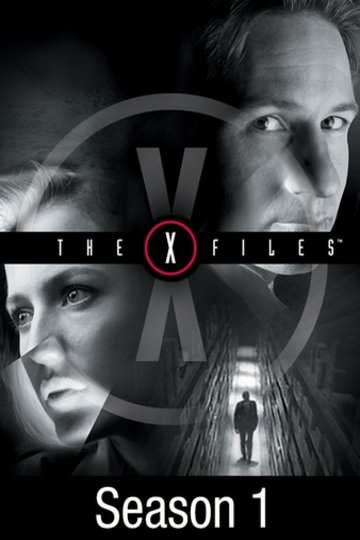
Late 1980s and 1990s television reshaped North American culture, in ways I am sure we’re going to study for decades to come. I think a large part of this cultural shearing came from what film and media scholars, along with critics, labelled conspiracy television.
“I Want to Believe. Question Everything. Trust No One. The Truth is Out There. The major metatext of The X-Files has been, since its inception in 1993, conspiracy,” wrote Stephanie Kelley-Romano.
While I would argue Unsolved Mysteries (1987) was the foundation, The X-Files poured the concrete. Anything that was alien, conspiratorial, occult, Satanic or ghostly, was going to get some action based on how audiences had devoured the exploits of Mulder and Scully.
During the period of time between Ghostbusters, Robert Stack’s ominous intonations and The X-Files, Dan Aykroyd may have taken a lot of the public spotlight, Peter, his younger brother, was also staying busy.
Peter was no slouch in the world of entertainment, having spent time as a Saturday Night Live writer and cast member (1979-80), and appearing in a number of his brother’s films. Where Peter differed, however, was in his embrace of paranormal research. Peter was wholeheartedly engaged in ‘real’ ghostbusting in the late 80s and early 90s; alongside scientists, scholars and skeptics alike.
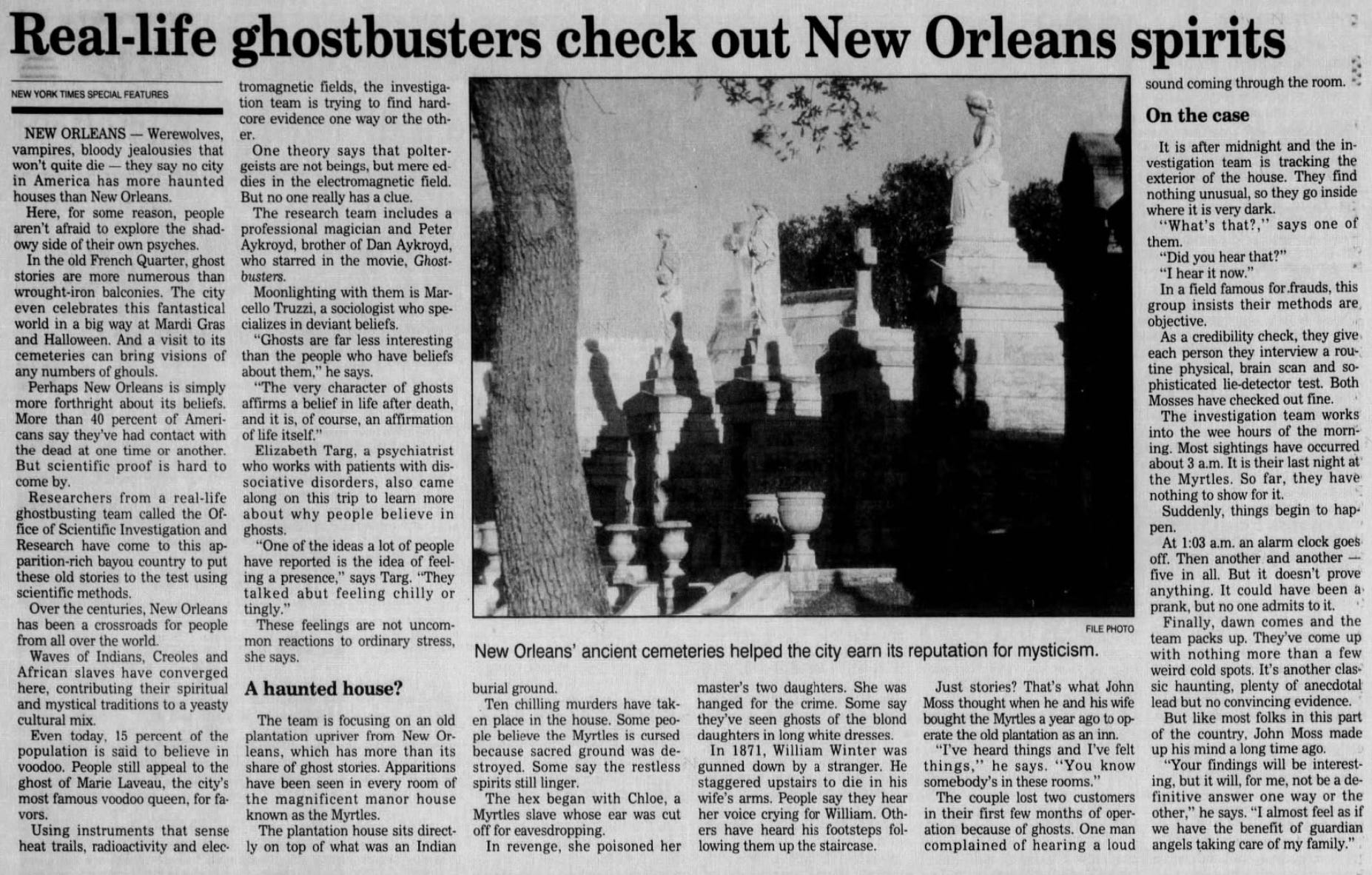
Werewolves, vampires, bloody jealousies that won’t quite die. They say no city in America has more haunted houses than New Orleans…[r]esearchers from a real-life ghost-busting team called the Office of Scientific Investigation and Research have come to this apparition-rich bayou country to put these old stories to the test using scientific methods…the research team includes a professional magician and Peter Aykroyd, brother of Dan Aykroyd, who starred in the movie ‘Ghostbusters’….
This notion of “real-life ghostbusters”, and the mingling of ‘scientific’ research and the paranormal, was ubiquitous at that time. Academic and philosophical battles regarding the occult and the supernatural were absolutely raging. Like diss tracks for nerds: papers and books were written for and against each side with Carl Sagan’s ‘Demon Haunted World’ emerging as one of the guiding texts for the scientifically and skeptically minded. Sagan was up against some formidable opponents, going toe-to-toe with Hollywood, late-night psychics, and consumerism; a tough battle for even the brightest of educators.
It should come as no surprise that wherever possible, for branding purposes of course, that the words ‘research’ or ‘scientific’ be included at least somewhere on a ghostbuster’s business card. In the above case, it is key then to read the ‘team of researchers’ harkened from The Office of Scientific Investigation and Research. A governmenty-sounding name that includes the trifecta of science, investigation and research. That’s like hitting the grand slam of ghosts-for-dollars business branding.
More tremors of all things Aykroydian-to-come is in an article from January 25, 1995. There’s a mention of Dan in attendance at the National Association of Television Producers and Executives convention in Las Vegas, pitching as the “...host of would-be show PSI Factor: Chronicles of the Paranormal” (Tim Goodman, 1995). Well this sounds interesting.
In September of 1995, more rumblings, “Ghostbusters star Dan Aykroyd is hosting an American TV series PSI-Factor investigating paranormal experiences” (Hull Daily Mail, September 16, 1995). While not entirely accurate, the article is now acknowledging that whatever paranormal series Aykroyd was pitching in Las Vegas, has been picked up and is going into production.
PSI Factor: Chronicles of the Paranormal
A year later, in September of 1996, the veil lifted nearly all the way. The series has a title, a cast, shooting locations and a host: Dan Aykroyd. Peter Aykroyd is credited as a creator, along with credits to fellow paranormal researcher, Christopher Chacon.
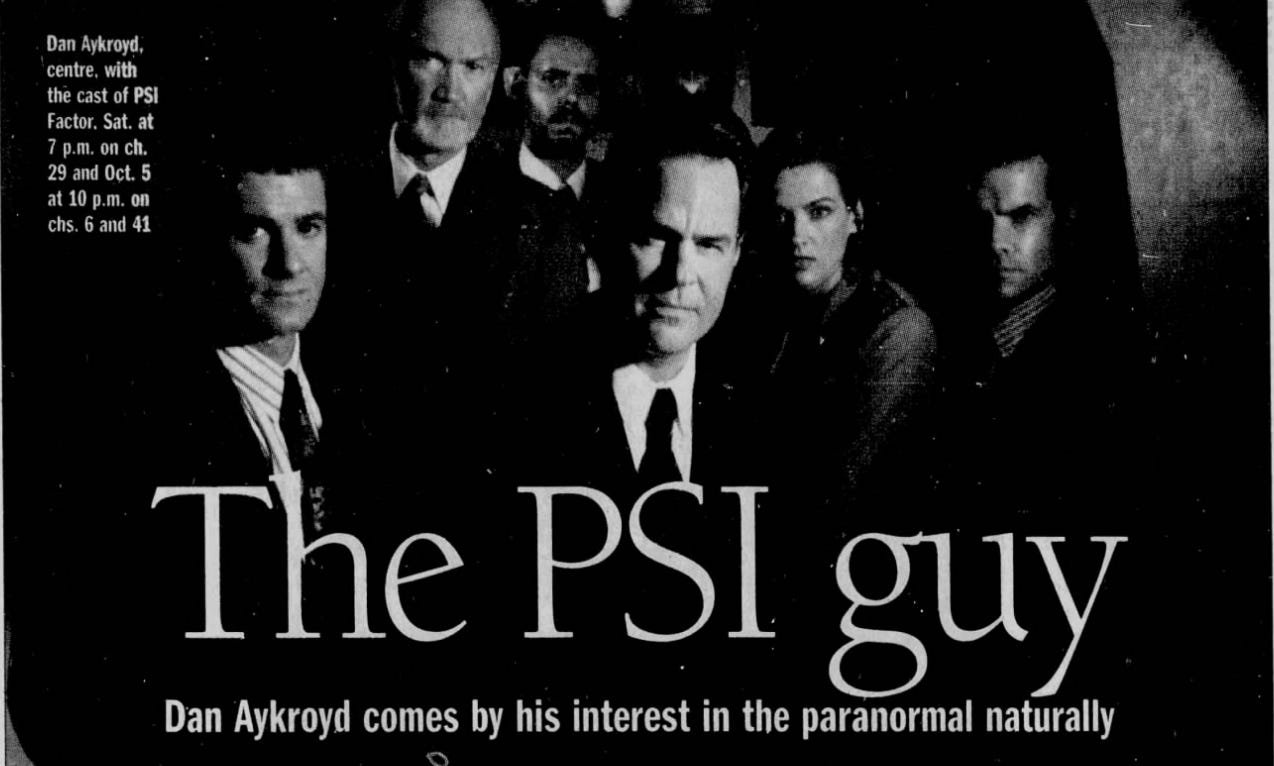
Before the show had even been released, there were critics, of course.
“…[one of the] goofiest series in the paranoia parade…PSI Factor (debuts in October on Global, date and time not yet set), which purports to tell true stories of truly weird happenings that the world has somehow never heard of…” (Tony Atherton, The Ottawa Citizen);
“…a mid-budget syndicated X-Files knockoff…” (Grant McIntyre, Globe and Mail);
However, with all of this promotion going into PSI Factor, it becomes even more difficult to untwist what is entertainment, fact or fiction.
“…Peter [Aykroyd] whose fascination with the subject led him to the fictitious-sounding Office of Scientific Investigation and Research (OSIR), a privately-funded organization that uses conventional science to examine such cases.” (Grant McIntyre, 1996).
Remember our ghost-vampire-werewolf hunters in New Orleans? Same organization it seems.
Now, when one starts to mix and mingle the news with the entertainment section, it all becomes even more muddled: “…[PSI Factor] dramatizes cases from the Office of Scientific Investigation and Research (OSIR) over the last 20 years which includes 300 researchers who investigate the paranormal: telekinesis, telepathy, ghosts, poltergeists, alien abductions, reincarnation and time travel…there’s enough scary elements to attract The X-Files fans.”
You see? Dramatizations would indicate they are real life events, played out by actors. Mixing the fictitious The X-Files into it then makes it sound as though…the series is fictional and not based on some shadowy organization of ghostbusters.
In this era of conspiracy television, this ambiguity in messaging and categorization would spell trouble for the Aykroyds. The show was released in October 1996 and its first archived website was from December 1996.
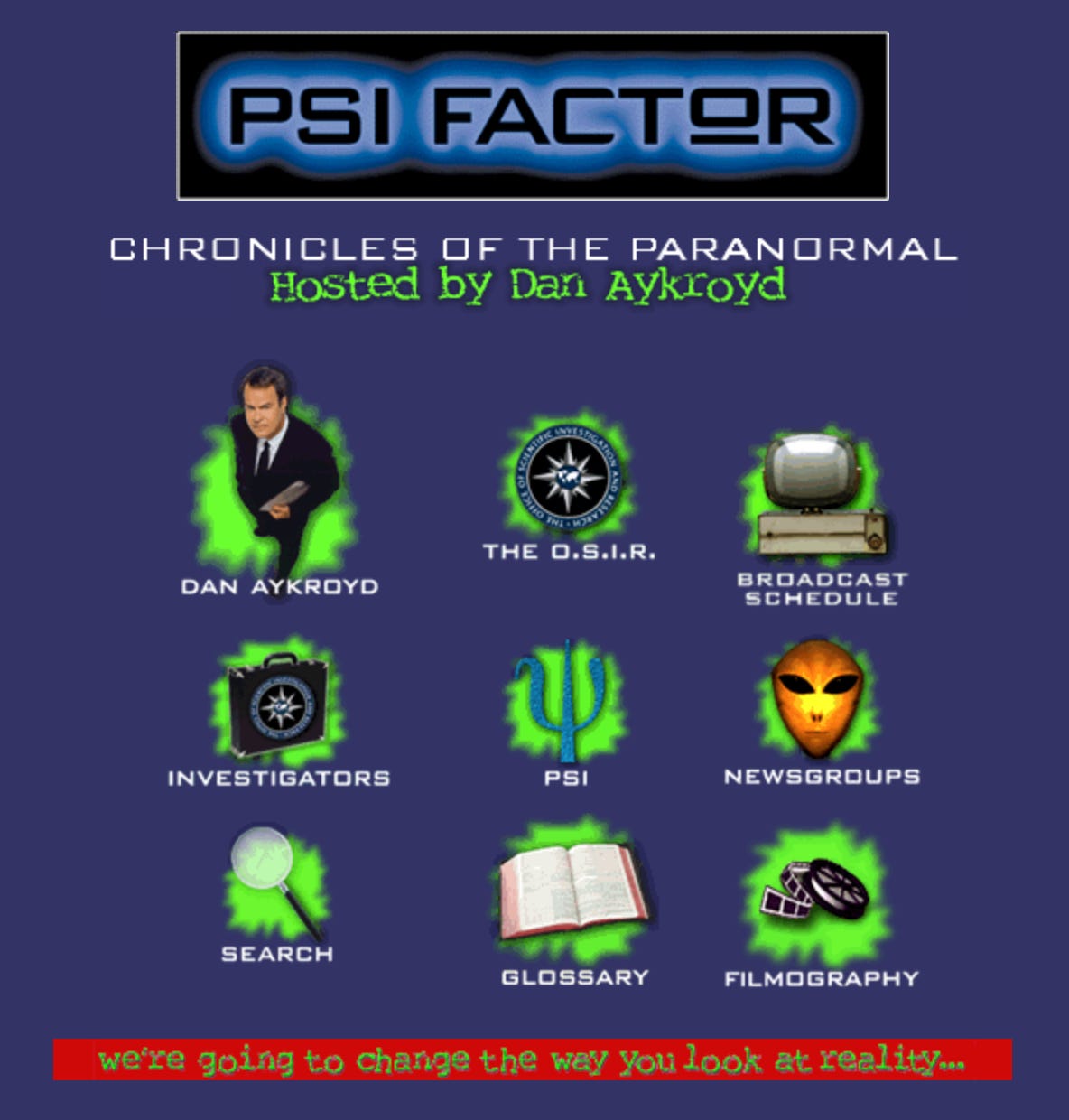
It is here, within the newsgroup archives, that one can begin to see that people wanted to know the truth behind the show’s cases and of this shadowy O.S.I.R.
This truth is something I am still figuring out in 2026 as you’ll see.
The ‘Eh-Files’ is a series examining the curious world of Canadian crime and occulture. The ‘Eh-Files’ phrase should be credited to Canadian journalist, David Migicovsky, who jokingly used it in a 1998 article.